The Quiet Bias Inside the Machines We Trust
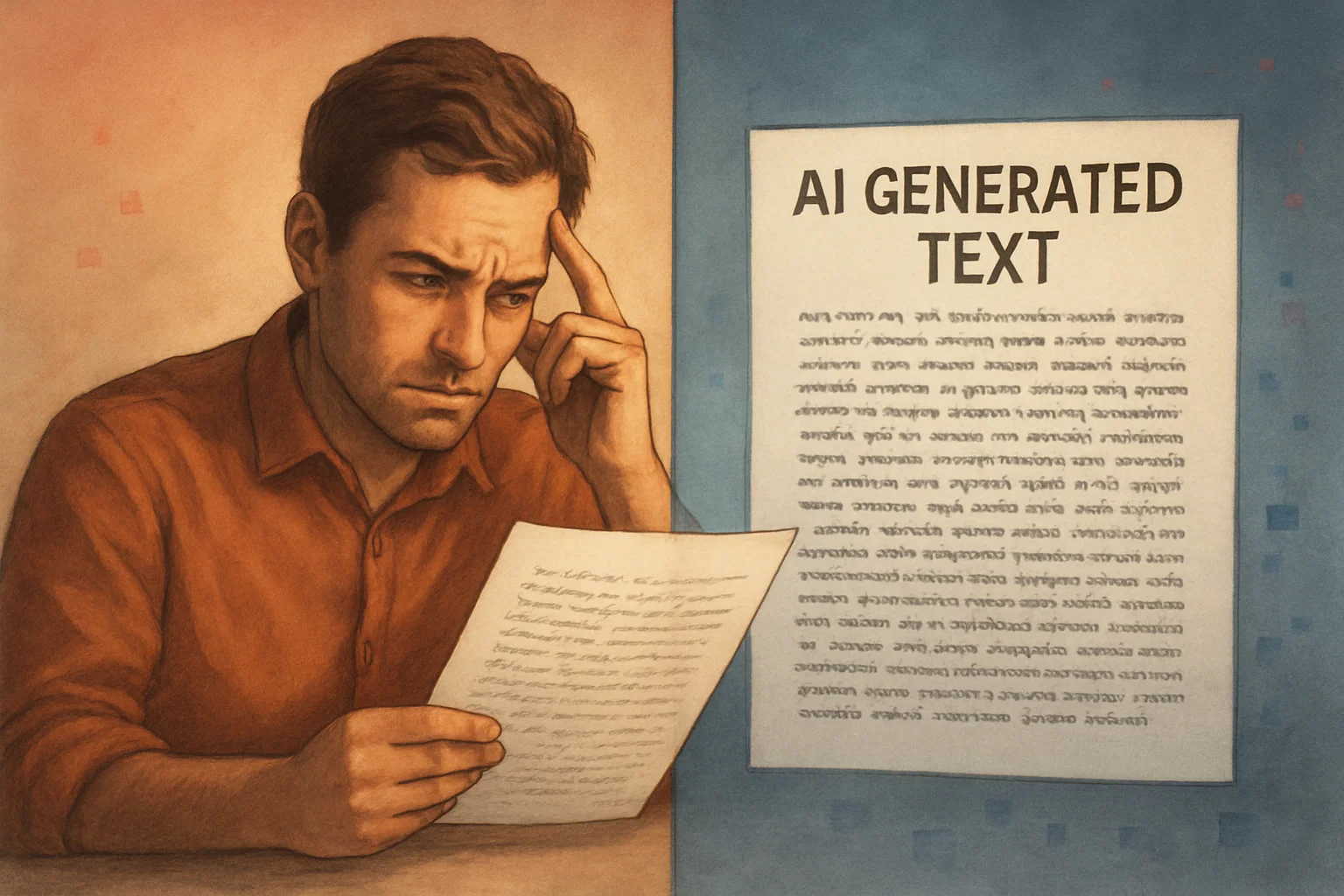
You’ve probably noticed it that strange sameness in AI-written text. It’s fast, polished, and eerily neutral, yet something feels off. That “off” is bias, and it’s quietly shaping what we read, write, and even believe about truth online.
Bias in AI writing isn’t a far-fetched fear. It’s already here, embedded in the data that large language models learn from and the assumptions we feed into them. But here’s what matters: bias isn’t about malice. It’s about math, data imbalance, and blind spots in design.
Let’s unpack what that means and what you can actually do about it.
How Bias Slips Into AI Writing
Think of AI as a sponge. It absorbs everything every book, tweet, Reddit rant, and article it’s trained on. If that pool of content is tilted toward certain voices, perspectives, or languages, the model will echo that tilt.
Here’s the core problem:
- Representation bias Some groups, topics, or languages are underrepresented in training data.
- Label bias The people labeling datasets inject their own assumptions.
- Algorithmic bias The model’s math amplifies patterns it “thinks” are right, even when they’re socially skewed.
That’s how stereotypes, gender bias, and cultural imbalance creep into supposedly “neutral” outputs.
As AI Multiple points out, even small imbalances in data sampling can multiply during model training, resulting in responses that subtly reinforce dominant narratives instead of questioning them.
Spotting Biased AI Writing
So, how do you tell if AI writing is biased? Start with what you feel when you read it. If something seems overly confident, repetitive, or oddly uniform pause. Ask these:
- Who’s missing from this story? If certain voices or examples are absent, it’s a sign of data imbalance.
- Is the language subtly judgmental? Even tone can reveal hidden preference.
- Does it handle sensitive topics with nuance? Biased AI tends to flatten complexity into clichés.
MIT’s EdTech research adds that “AI hallucinations” confident but false claims often come from biased or incomplete data. That’s why it’s not just about accuracy, but perspective balance.
Real Examples That Prove the Point
- A hiring model trained on historical company data that downgraded resumes with “female” indicators.
- AI text generators that associate “doctor” with men and “nurse” with women.
- Sentiment analysis tools misreading African American English as “negative.”
Each example tells the same story: data isn’t neutral. Neither are the systems built on it.
Three Big Sources of Bias in AI Writing
To keep it simple, all bias traces back to three roots:
- Data Collection: What’s gathered (and what’s ignored).
- Human Labeling: How that data gets interpreted.
- Model Training: How algorithms weigh and replicate those patterns.
Each stage can distort reality a little more. Multiply that by billions of tokens, and bias stops being a glitch it becomes culture.
Why This Matters for Writers
Writers using AI tools often assume the tech is smarter or more objective than they are. But the truth is flipped: AI reflects our world’s inequalities back at us, sometimes amplified.
If you’re creating content, that means you’re not just fighting writer’s block anymore you’re curating truth. Your prompts, edits, and fact-checking shape whether AI amplifies bias or corrects it.
How to Reduce Bias in Your AI Writing Workflow
You can’t fully eliminate bias, but you can intervene intelligently. Here’s how:
- Use diverse prompts. Don’t feed AI a single angle; include multiple perspectives in your requests.
- Cross-check sources. Don’t trust the first confident paragraph. Validate claims with external references.
- Rebalance language. Replace loaded or one-sided phrasing with inclusive terms.
- Train your awareness. Read research on bias like those from MIT or AI Multiple to recognize patterns before they spread.
Bias management is now part of writing literacy. Just as we once learned grammar, we now need to learn fairness.
A Better Way Forward
Bias isn’t the enemy. Ignorance of it is. The future of AI writing depends on humans who stay alert, skeptical, and self-aware. We’re not just users of technology; we’re its editors, shaping how the next generation reads and thinks.
If AI is a mirror of society, the question isn’t whether it’s biased it’s whether we’re willing to look honestly at our reflection.

AI writing strategist with hands-on NLP experience, Liam simplifies complex topics into bite-sized brilliance. Trusted by thousands for actionable, future-forward content you can rely on.